Best Places to See the Northern Lights in Fairbanks and Alaska
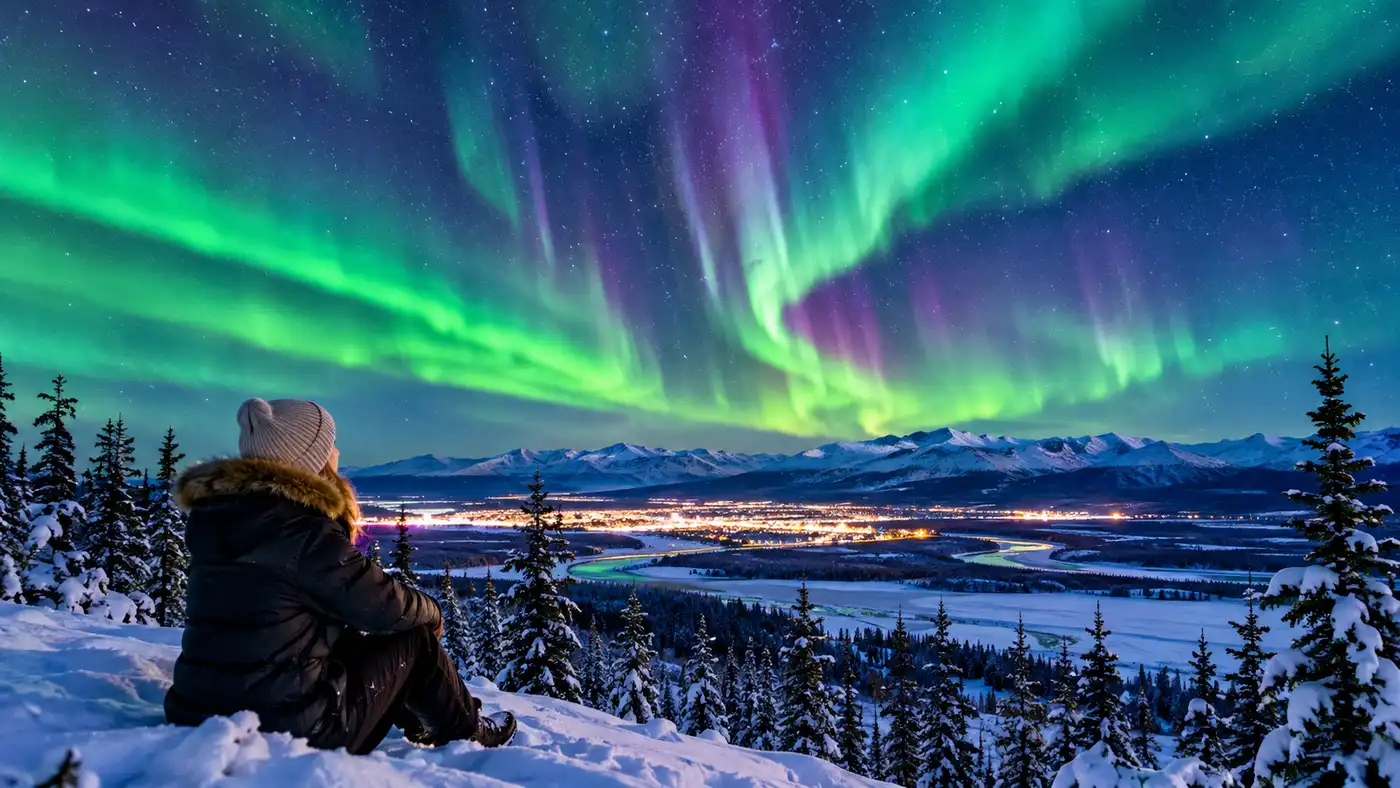
I still remember standing on a wind-whipped gravel turnout north of town at 1:40 AM with ice crusted along my zipper. The temperature was minus twenty-four, my toes had gone numb twenty minutes earlier, and green ribbons suddenly exploded across the black sky like neon smoke. Finding the best places to see northern lights in fairbanks comes down to two simple goals: escape the amber streetlights and get high enough to clear the winter ice fog settling in the valley bottoms. Fairbanks sits squarely under the auroral oval, an atmospheric ring where solar particles slam into earth's magnetic field with astonishing consistency.
You do not need an expensive back-country expedition to witness this phenomenon. A regular rental car with decent winter tires will take you to pristine viewing grounds within forty minutes of your hotel lobby. Some people prefer wide open alpine domes where the wind howling over the tundra freezes your eyelashes in seconds. Others prefer quiet river flats where black spruce trees frame the dancing green arcs. Alaska offers both, along with remote outposts hundreds of miles into the interior.
Book your fairbanks northern lights experience:
Best Places to See Northern Lights in Fairbanks: The High Ridges
Elevation makes all the difference around Fairbanks. In deep winter, cold air sinks into the low-lying river flats, creating an inversion layer that traps town smoke and ice fog. Drive a thousand feet up, and the temperature can jump fifteen degrees warmer while the sky clears into black glass.
Murphy Dome sits about 25 miles northwest of downtown at an elevation of 2,890 feet. It was once an Air Force surveillance station, and the giant white radar dome still looms over the summit like a cold sentinel. Because the summit rises above the tree line, you get an unobstructed 360-degree horizon. When a geomagnetic storm flares up, you can see faint green arcs brewing along the northern horizon long before they climb overhead. The wind here can be brutal. Pack heavy mittens, because holding a metal camera tripod with bare fingers at Murphy Dome will ruin your night in less than two minutes. It remains a legendary spot for northern lights murphy dome viewing in fairbanks.
Cleary Summit offers an easier drive if you prefer paved roads. Located at Mile 17 of the Steese Highway, this 2,233-foot ridge gives you expansive looks east toward the White Mountains and north toward the Yukon basin. Gold miners worked these hills a century ago, and you still pass historic dredges tucked into the creeks below. Several wide gravel pullouts along the highway let you park safely off the pavement. It does get busy. On weekends with strong solar forecasts, twenty cars might be idling with parking lights on, waiting for the sky to ignite. Cleary summit fairbanks alaska remains one of the absolute staples for good reason.
Pro tip: Back your vehicle into pullout spots at Murphy Dome or Cleary Summit so your headlights do not blind photographers when you leave, and keep your engine block warm by idling for five minutes every half hour.
Ester Dome lies roughly ten miles west of the city center. The winding ascent up Sheep Creek Road and Ester Dome Road leads you to towers and radio antennae perched at 2,364 feet. The southern views look right down on Fairbanks, which creates some light bleed, but turning your gaze northwest opens up vast stretches of unlit wilderness. Locals love Ester Dome because the drive takes barely twenty minutes from the university district.
In-Town Vantage Points: Best Places to See Northern Lights in Fairbanks Without Leaving Town
Maybe you do not want to navigate steep mountain roads in the dark. That is completely fair, especially after an unexpected snowfall turns gravel switchbacks into skating rinks. You can still catch great displays right on the edge of the city grid if you know where the lights dim.
Creamer's Field Migratory Waterfowl Refuge covers nearly 2,000 acres right off College Road. During summer it swarms with sandhill cranes, but come November, the dairy fields become a massive, flat snow basin. Because the fields are wide and open, the historic white farm buildings sit far enough away that they do not block the horizon. You will notice glow from city lights on the southern horizon. When the aurora wakes up and stretches across the northern sky, creamer's field fairbanks northern lights viewing works surprisingly well. Walk along the edge of the boreal forest trail, stay quiet, and watch the green bands drift directly over the frosted birches.
The University of Alaska Fairbanks campus also has a few sneaky spots. The West Ridge scenic overlook near the museum offers wide vistas across the Tanana Valley. You will fight some building glow, yet for travelers without a rental car who rely on local rideshares, it offers a quick escape. If you are debating between staying in town or booking a backcountry lodge, reading up on the best places to stay in Fairbanks for northern lights will help you decide whether you want aurora viewing right from your bedroom window.
Note: Cell service drops unpredictably along the higher curves of Ester Dome and Murphy Dome Road, so download your offline maps before rolling out of your hotel parking lot.
Before jumping in the car at midnight, run through a simple checklist to avoid stranding yourself in sub-zero wilderness:
- Fuel gauge: Never head out of Fairbanks with less than half a tank, because running the heater while parked burns gas quickly.
- Vehicle safety: Ensure your rental car has winter-rated tires and an ice scraper with a brass blade that actually cuts through thick windshield frost.
- Lighting etiquette: Use red headlamps instead of white beams to preserve your night vision and avoid ruining other viewers' long-exposure photos.
- Patience buffer: Aurora pulses come in unpredictable waves, so plan to stay at a single location for at least three full hours rather than chasing across town.
Venture Farther: Best Places to See Aurora in Alaska Beyond Fairbanks
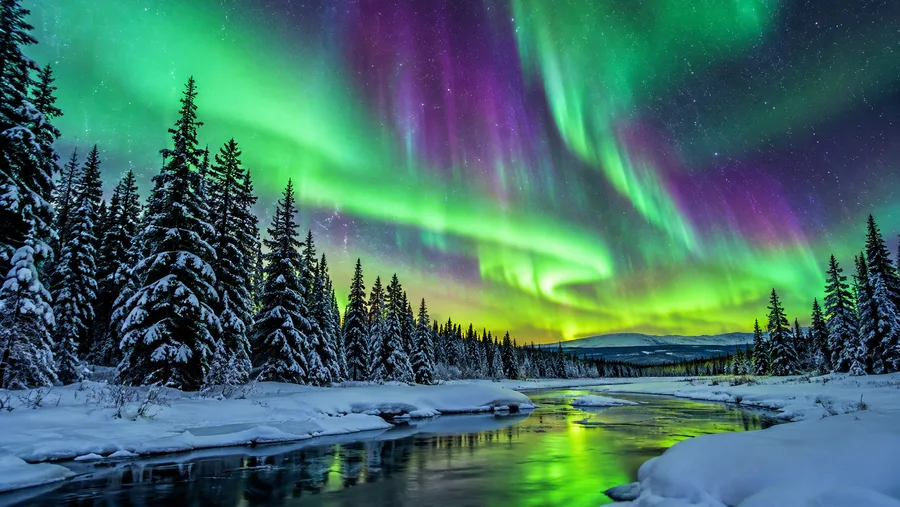
Fairbanks is the undisputed capital of Alaska aurora borealis viewing, but other regions provide stunning backdrops if you are building a broader winter road trip. Each corner of the state brings different terrain, weather patterns, and mountain backdrops to the show.
Heading east along Chena Hot Springs Road takes you through 56 miles of dense boreal forest. Chena Lakes Recreation Area sits near North Pole at Mile 346 of the Richardson Highway, offering an enormous frozen lake where you can walk out onto the ice and take in an unbroken bowl of sky. Further down the road, Chena Hot Springs Resort allows you to float in natural thermal water while green sheets ripple across the cold air above you. The steam off the water freezes into your hair while your shoulders stay warm. It sounds like a gimmick until you do it.
Denali National Park sits two hours south along the Parks Highway. In winter, the park road closes at Mile 3, but the winter visitor center at Murie Science and Learning Center remains open. Denali national park northern lights viewings give you jagged silhouettes of the Alaska Range beneath the emerald ribbons. The mountain weather can be fickle, with heavy cloud banks rolling off the Gulf of Alaska, but a clear night here feels wildly desolate.
If you have an appetite for real grit, drive the Dalton Highway north toward the Brooks Range. Small settlements like Coldfoot and Wiseman sit directly under the auroral oval with zero municipal light pollution. The jagged peaks of the Brooks Range frame the sky in ways that flat river basins cannot touch. Coastal towns like Skagway or Anchorage see the lights too, though their coastal moisture brings far more cloud cover than the dry Interior. You can read our detailed Fairbanks northern lights viewing and photography guide to learn about cold-weather camera settings before venturing that far north.
Book your fairbanks northern lights experience:
Comparing Top Northern Lights Viewing Spots Near Fairbanks
To help you choose where to park your car tonight, here is how the primary vantage points around the Fairbanks area compare on elevation, distance, and road conditions:
| Viewing Location | Distance from Fairbanks | Elevation | Road Condition | Facilities Available |
|---|---|---|---|---|
| Murphy Dome | 25 miles NW | 2,890 ft | Paved then winding packed gravel | None (primitive pullouts) |
| Cleary Summit | 17 miles NE | 2,233 ft | Paved highway (Steese Hwy) | None (highway pullouts) |
| Ester Dome | 10 miles W | 2,364 ft | Paved then steep gravel | None |
| Creamer's Field | 2 miles N | 480 ft | Paved city roads | Vault toilets in parking lot |
| Chena Lakes Recreation Area | 17 miles SE | 510 ft | Paved roads and lake access | Outhouses near boat launches |
Essential Logistics for Alaska Aurora Borealis Viewing
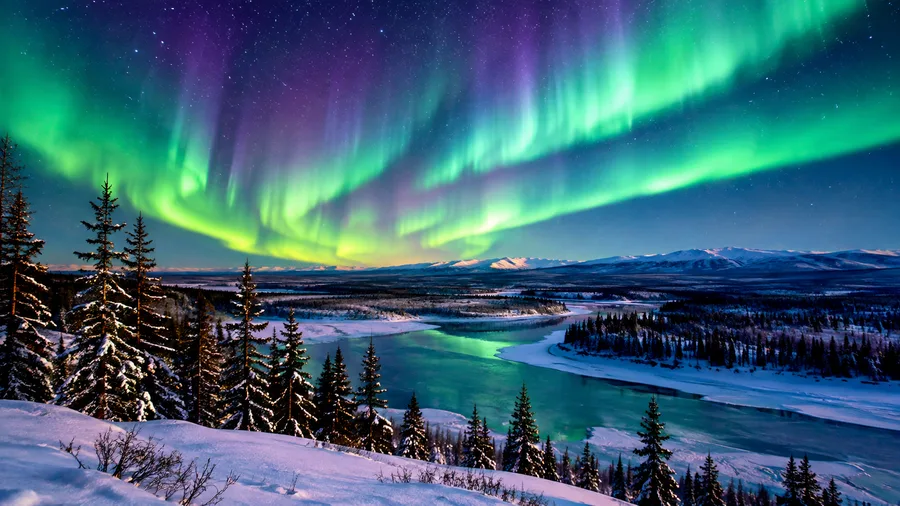
Timing your outing requires paying attention to two distinct forecasts: auroral activity and cloud cover. A high solar storm rating means nothing if a blanket of grey stratus clouds covers the Tanana Valley. Local meteorologists track the aurora using the Kp-index, which runs on a scale from 0 to 9. A Kp-2 is plenty for Fairbanks because the city sits so far north. You do not need a massive solar storm to see vivid green ribbons overhead. You just need clear skies between 10:00 PM and 3:00 AM.
Winter temperatures regularly drop below minus thirty. Steel camera tripods freeze stiff, plastic battery latches snap under light thumb pressure, and cell phone screens turn sluggish before dying completely. Keep your spare batteries inside your inner coat pocket against your chest. Your body heat keeps them alive until you need to swap them into the camera.
Pack your car with gear that keeps you safe if your vehicle slides into a ditch on a lonely road:
- Sub-zero sleeping bag: Carry a rated winter bag in your trunk so an engine stall never turns into a survival crisis.
- Insulated thermos: Fill it with black tea or bone broth before leaving town to warm your core after standing outside.
- Chemical foot warmers: Stick adhesive heat pads to the tops of your socks before pulling on heavy winter boots.
- Sturdy headlamp: Choose one with a dedicated red light toggle so you do not accidentally blast white light into the eyes of other aurora watchers.
Never rely on a single night for your trip. Alaska weather changes on a dime, and solar activity ebbs throughout the week. Three or four nights give you roughly an eighty percent chance of catching a clear, active display somewhere in the Fairbanks region.
Frequently Asked Questions about best places to see northern lights in fairbanks
What is the absolute best place to see northern lights in Fairbanks?
Murphy Dome offers the best 360-degree view because it sits high above the tree line at 2,890 feet. Cleary Summit is a close second and features an easier, fully paved drive up the Steese Highway.
Can you see northern lights from downtown Fairbanks hotels?
You can see very strong aurora displays from downtown during major geomagnetic storms. Moderate displays will be washed out by commercial streetlights, so driving just fifteen minutes outside the city core makes a dramatic difference.
Do I need a four-wheel-drive vehicle to reach these viewing spots?
All-wheel drive or four-wheel drive is strongly recommended from October through April. Murphy Dome and Ester Dome have steep, winding grades that can become treacherous with packed snow and black ice.
What time of night do the lights usually appear?
The most reliable window runs between 10:00 PM and 2:30 AM, with peak activity frequently centering around midnight. Auroral substorms can flare up as early as 8:00 PM or as late as 5:00 AM on active nights.
Quick Reference
- Prime season: August 21 through April 21
- Peak viewing window: 10:00 PM to 2:30 AM
- Top elevation spot: Murphy Dome (2,890 ft)
- Paved access favorite: Cleary Summit (Mile 17 Steese Hwy)
- Minimum stay recommendation: 3 to 4 nights
Book your fairbanks northern lights experience:
Worth the Freeze?
Standing in knee-deep snow at two in the morning while your breath turns to frost on your scarf is undeniably uncomfortable. Your fingers ache, your vehicle heater never quite warms your boots, and waiting in the silent dark tests your patience. The moment the northern sky breaks into glowing emerald curtains that ripple and fold overhead, every bit of cold vanishes from your mind. Fairbanks earned its aurora reputation honestly. Pick a high ridge, bring plenty of hot tea, and give the northern sky the time it deserves.
Read more about fairbanks northern lights.